Residue to Energy
Create value from existing crop residues.
 Index
IndexOur Platform
A local CBG hub can connect agricultural resources, renewable gas and nutrient return. The platform turns what is learned in the field into repeatable development practices.
No GreenArc plant is operating yet.
See the homepage for our scale ambition and current development status.
How we build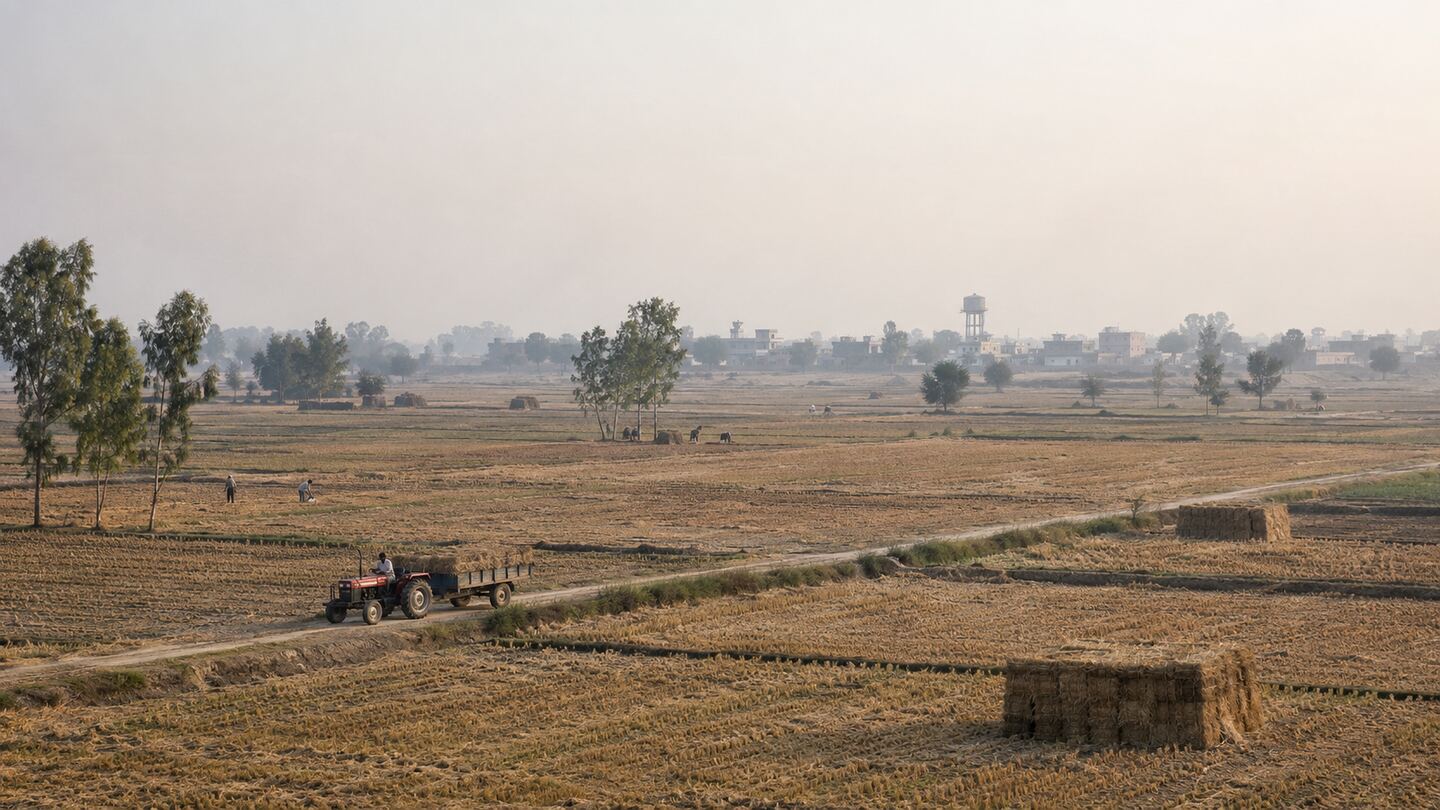
IThe circular model
GreenArc develops CBG plants as anchors for local circular economies. Agricultural residues and appropriate energy crops enter the system. Renewable gas is intended to leave as clean energy. Nutrients can return to agriculture. New income can flow to farmers and local businesses. The surrounding agricultural network creates opportunities for additional climate interventions.
Core plant economics should be designed around energy and agricultural outputs. Carbon revenue is potential upside, not a substitute for viable project economics.
IIAgriculture, by place
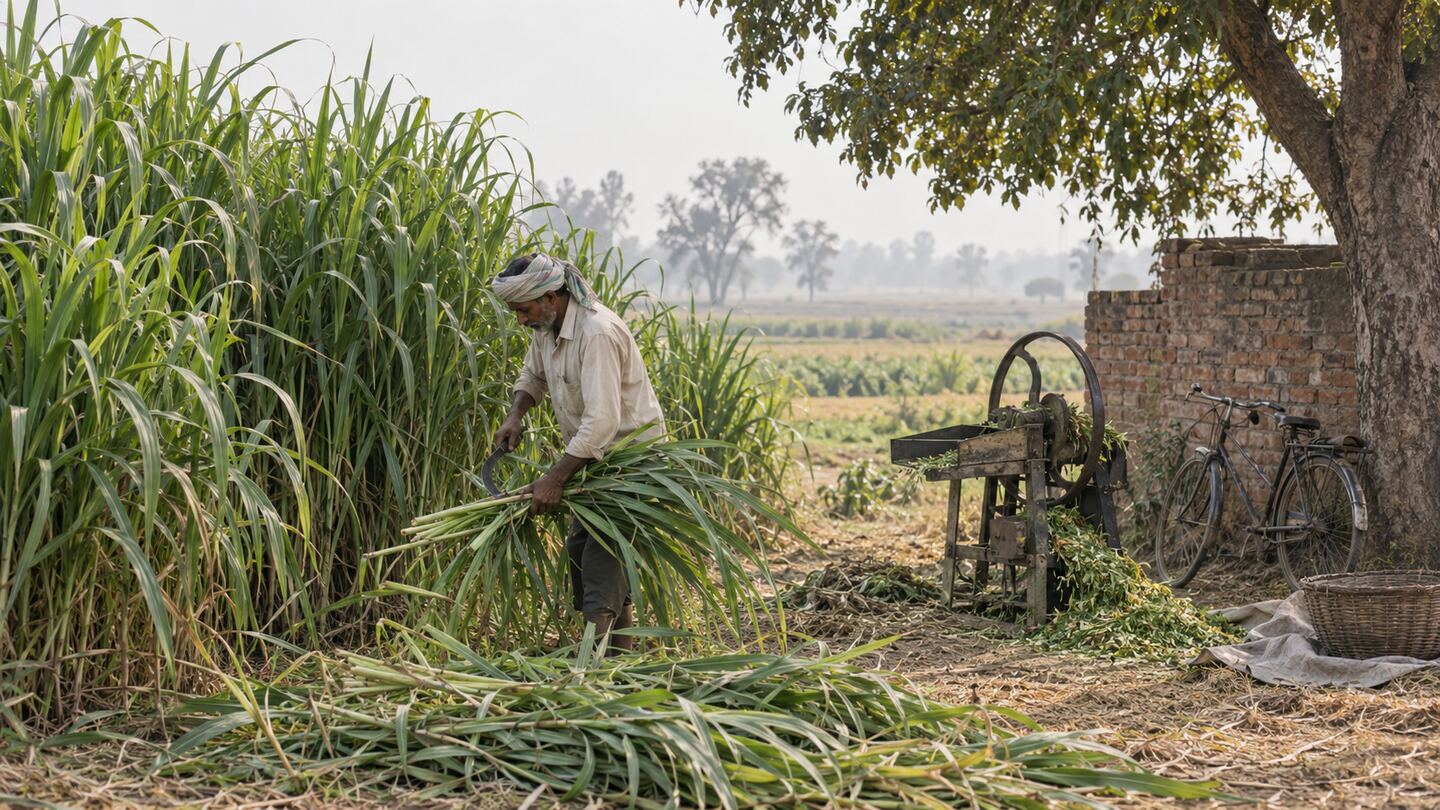
Create value from existing crop residues.
Evaluate appropriate crops such as Napier for dependable biomass demand, farmer income and resource efficiency.
Evaluate suitable marginal or underutilised land without compromising food security, biodiversity or community value.
Food first. Farmers first. Resources used better.
IIILearning as infrastructure
GreenArc seeks to standardise site selection, feedstock intelligence, farmer engagement, technology selection, financing, construction, operations, gas offtake, FOM monetisation and climate MRV.
Build. Prove. Measure. Share. Scale.
Turn field learning into repeatable practices and selectively share what can accelerate the wider CBG ecosystem.
IVDevelopment process
Repeatable development process
VExecution disciplines
Execution depends on feedstock security, biological performance, construction, gas evacuation, FOM monetisation, policy, land and water safeguards, and execution.
Seasonal feedstock availability, storage losses, digestion performance, construction delays and gas evacuation can each affect viability. Digestate sales need demonstrated quality and local demand. Climate benefits must account for methane losses, energy use and transport; agricultural outcomes need water, competing-use and land-rights safeguards.