Clean Energy
Renewable CBG intended to displace fossil gas.
 Index
IndexImpact + Rural Economy
We are building toward plant-level Impact Ledgers. No GreenArc plant is operating yet. These are intended outcomes and a reporting design, not measured results.
Explore the rural economyIntended outcomes
Renewable CBG intended to displace fossil gas.
Potential avoided burning, methane reduction and additional carbon interventions.
Residue income, crop diversification, logistics, employment and potential climate-linked revenue.
Designed to return nutrients and organic matter to agriculture.
Locally validated practices and crop choices that may reduce resource intensity.
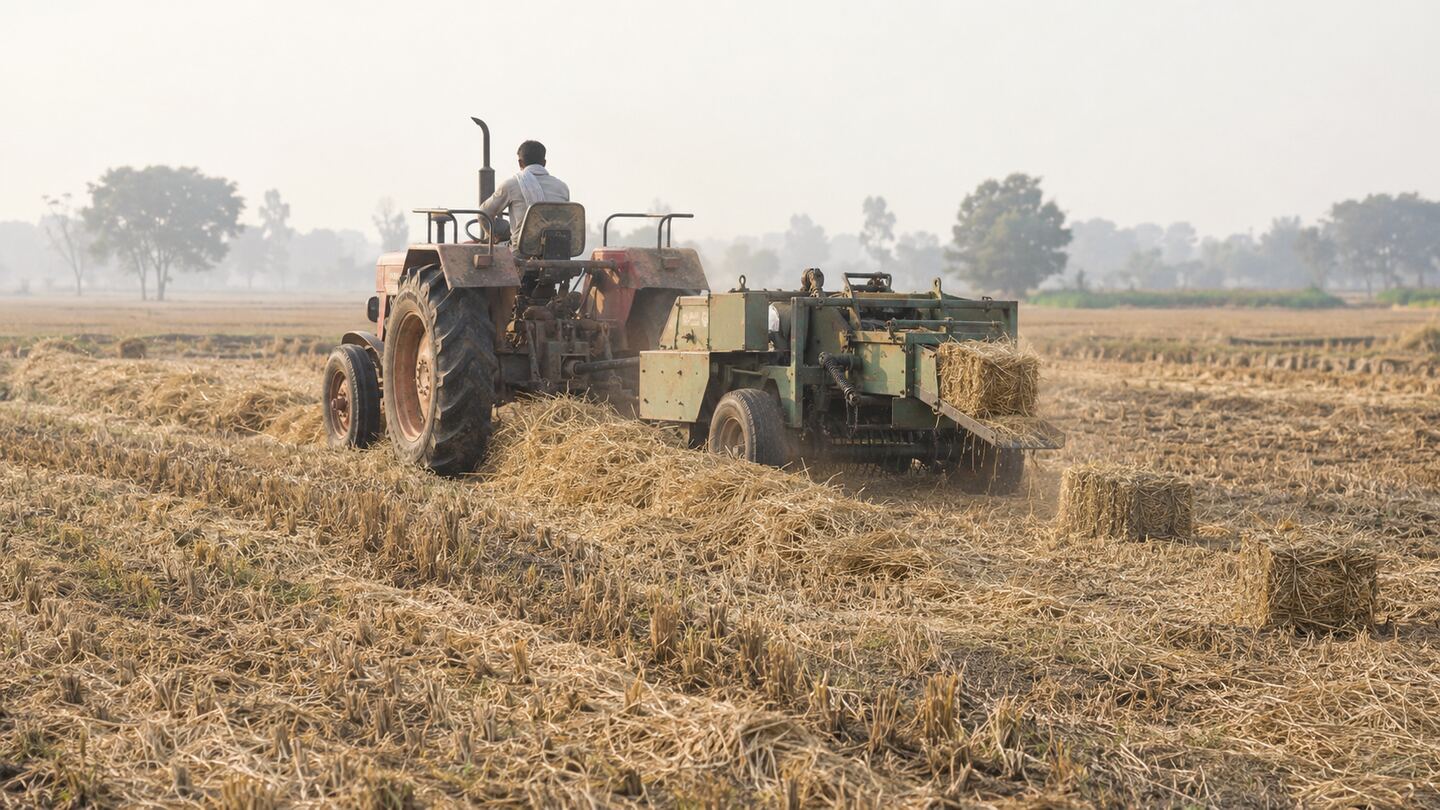
Separate boundaries
CBG, fermented organic manure (FOM), biogenic CO₂
Fossil-gas displacement and avoided open burning
Alternate wetting and drying (AWD), FOM use on fields
Biochar in mineral soils, enhanced rock weathering (ERW), CO₂ storage
Removal pathways remain Evaluating or Research. No removal is claimed.
Explore Climate InnovationMeasurement before claims
The study covers wastewater biogas facilities, not agricultural-residue CBG; it supports a general accounting principle only.
Digestate in general, not paddy-straw FOM or Indian soils. This is not a GreenArc fertiliser-displacement figure.
Reporting design
Plant 01 · 10 TPD · Haryana · Development Development
| Metric | Boundary | Method | Period | Verification |
|---|---|---|---|---|
| CBG output | Plant gas outlet | Metered gas and quality records | Reporting period to be set | Measurement and assurance planned |
| FOM output | Plant dispatch; farm use separate | Weighed dispatch and product testing | Reporting period to be set | Quality and use evidence required |
| Net avoided emissions | Plant and supply chain; stated counterfactual | Displacement and additional diversion less own emissions | Reporting period to be set | Counterfactual and origin checks required |
| Agricultural practice change | Participating fields | Farm records, paired observations and input-use evidence | Crop season to be set | Field verification planned |
| Durable removals | Pathway-specific storage boundary | Storage measurement, durability and overlap checks | Monitoring period to be set | Evaluating or Research; no removal claimed |
| Rural benefit incidence | Participating households and enterprises | Receipts, costs and job categories recorded separately | Reporting period to be set | Recipient-level evidence required |
Rural Economy
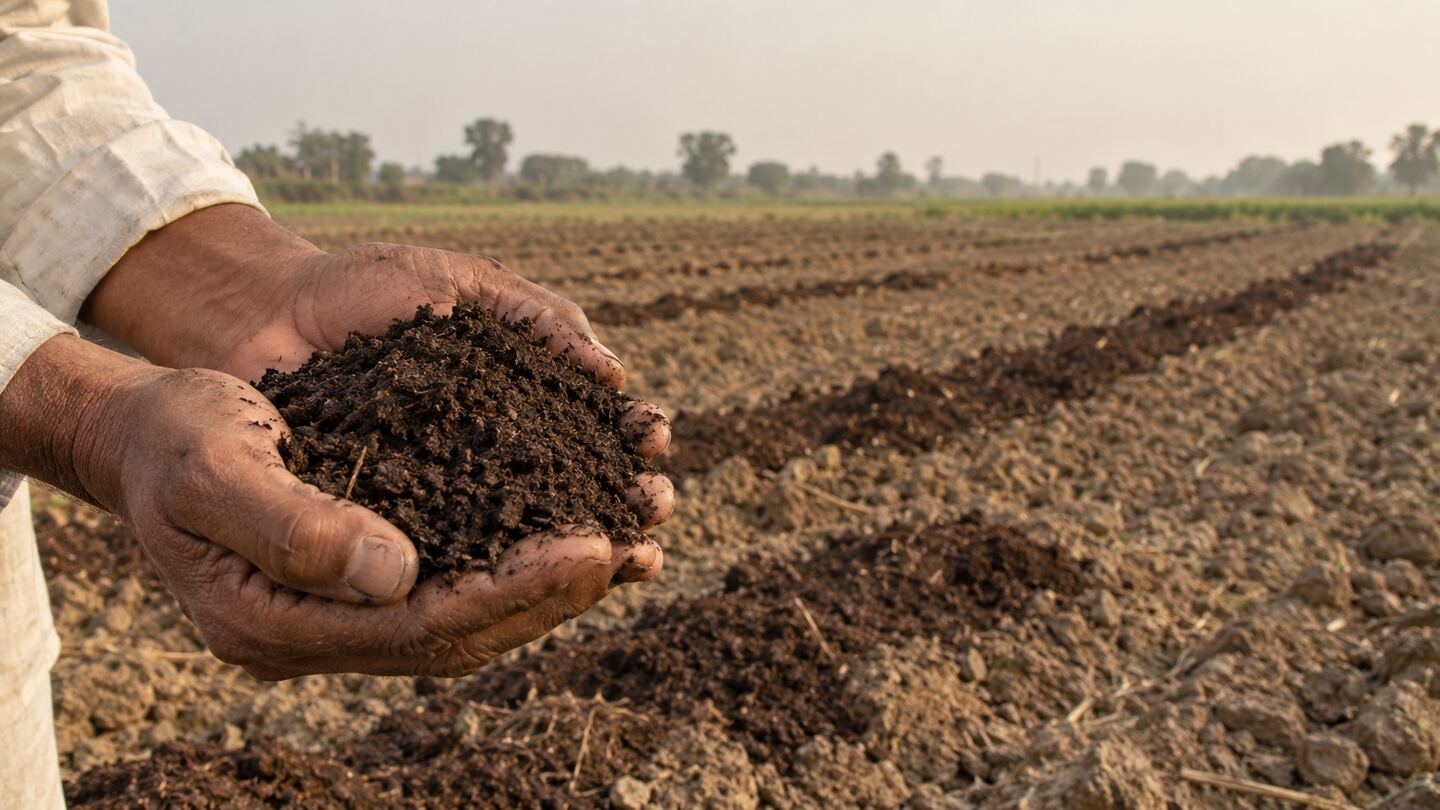
These potential income channels are designed to create opportunities around the plant and its agricultural network. We do not present them as payments already made.
Residue markets are designed to create income from agricultural resources.
Who may benefit: Participating residue suppliers; report landowner, tenant and aggregator receipts separately.
Suitable crop choices are designed to create opportunities for dependable biomass demand, subject to food, water, biodiversity and land-use safeguards.
Who may benefit: Participating growers and tenants; report production costs alongside receipts.
Collection, aggregation and transport are designed to create rural enterprise opportunities.
Who may benefit: Aggregators, transporters and their workers; distinguish business receipts from wages.
Nutrient return is designed to create opportunities for agricultural input savings, subject to field evidence.
Who may benefit: Farmers applying FOM; any savings depend on actual use and demonstrated fertiliser displacement.
Climate programmes are designed to create possible additional participation channels where practices, measurement and rights are validated.
Who may benefit: Participating farmers and tenants, subject to consent, programme terms and carbon-rights checks.
Plant development and agricultural services are designed to create opportunities for work and skills.
Who may benefit: Workers; report direct, seasonal, logistics and induced jobs separately.
We will publish a rural economic multiplier only once it is measured; we do not estimate one today.
Core plant economics should be designed around energy and agricultural outputs. Carbon revenue is potential upside, not a substitute for viable project economics.
External context
The obligation is not a plant-level offtake guarantee. Registration is an entry step, not commissioning or benefit approval; this page makes no claim about GreenArc’s registration status. Portal registration says nothing about FOM quality, sales or current incentive eligibility. Draft policy provisions are not displayed.
Sources / basis
Press Information Bureau / Ministry of Petroleum and Natural Gas
Cabinet decision release on the GOBARdhan schemePublished 6 August 2026. Accessed 5 October 2026.
Press Information Bureau / Ministry of Petroleum and Natural Gas
Release announcing the CBG Blending ObligationPublished 25 November 2023. Accessed 5 October 2026.
European Journal of Agronomy (Elsevier)
A variable residue: Meta-analysis on the nitrogen fertilizer replacement value of anaerobic digestatePublished 18 September 2025 (January 2026 issue). Accessed 5 October 2026.
European Journal of Agronomy (Elsevier)
A variable residue: Meta-analysis on the nitrogen fertilizer replacement value of anaerobic digestatePublished 18 September 2025 (January 2026 issue). Accessed 5 October 2026.
Press Information Bureau / Ministry of Petroleum and Natural Gas
GOBARdhan: Fuelling Clean Energy and Rural GrowthPublished 6 August 2026, p.7. Accessed 5 October 2026.
Press Information Bureau / Ministry of Petroleum and Natural Gas
GOBARdhan: Fuelling Clean Energy and Rural GrowthPublished 6 August 2026, p.3. Accessed 5 October 2026.
Haryana Renewable Energy Development Agency
Public notice and Draft Haryana CBG Policy 2026 for comments suggestions from all stakeholders in prescribed formatPublished 23 July 2026. Accessed 5 October 2026.
Press Information Bureau / Ministry of Petroleum and Natural Gas
Cabinet decision release on the GOBARdhan schemePublished 6 August 2026. Accessed 5 October 2026.
Li et al. / Nature Sustainability (Springer Nature)
Methane leakage thresholds for net climate benefits of wastewater biogas recoveryPublished 27 April 2026. Accessed 5 October 2026.